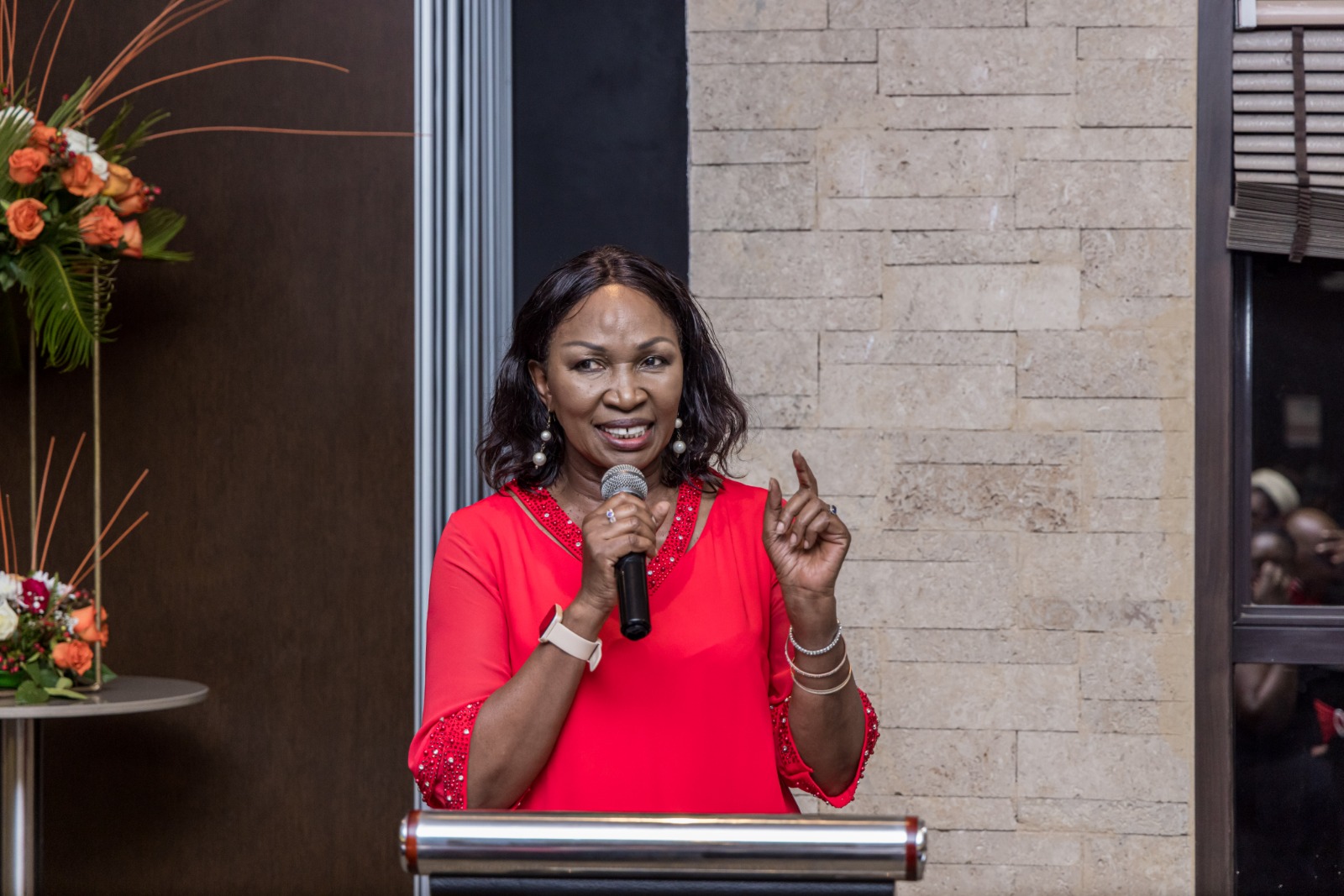
Breaking Barriers International (BBI) convened a global audience for its monthly teaching session on February 28 2026. The guest speaker, Pastor Dr. Nellie Shani, delivered a profound and paradigm-shifting discourse entitled "Walking in Divine Health."
For many believers, the concept of divine healing is shrouded in mystery, often viewed as a "lottery" where God chooses to heal some and leave others in suffering. Dr. Shani’s teaching dismantled this uncertainty, positing that healing is not a future event we are waiting for, but a past-tense reality we must learn to manifest. Through a meticulous examination foundational scriptures, she identified why the manifestation of healing is often delayed or blocked entirely.
Below are the five primary hindrances to divine healing as presented during the BBI teaching.
1. Believing Sickness is a Teacher
One of the most destructive hurdles in the path of a believer seeking restoration is the belief that God is the author of their affliction. This doctrine suggests that God "permits" or "sends" sickness to build character, teach patience, or discipline a wayward child.
Dr. Shani addressed this head-on by referencing Matthew 7:11: “If you, then, though you are evil, know how to give good gifts to your children, how much more will your Father in heaven give good gifts to those who ask him!”
The teaching argued that if an earthly parent were to intentionally infect their child with a virus to "teach them a lesson," they would be arrested for child abuse. Why then, Dr. Shani asked, do we attribute such character to a holy and loving God?
The only "benefit" of sickness is the opportunity it provides for a testimony once the total manifestation of healing occurs. Sickness itself has no inherent virtue. When a believer accepts sickness as a "will of God," they lose the spiritual will to resist it. You cannot fight an enemy you believe is an emissary of God. To walk in divine health, one must first be convinced that sickness is an intrusion of the enemy that God desires to see eradicated.
2. Trying to "Please" God to Earn Healing
A second major hindrance is the legalistic approach to miracles. Many people approach the "throne of grace" as if it were a "bench of judgment," listing their good deeds, church attendance, and tithes as reasons why God should heal them.
Dr. Shani emphasized that God cannot "decide" to heal you today because He already made that decision 2,000 years ago at Calvary. Using the analogy of childbirth, she explained: "I gave birth to my son. It is too late for me to decide that he should not be born." In the same vein, our healing was "born" when Jesus died on the cross. Titus 3:5 reminds us that it is not by works of righteousness that we are saved (or healed), but according to His mercy.
When we try to please God to earn healing, we are essentially saying that the sacrifice of Jesus was insufficient. This creates a barrier because our focus shifts from Christ’s perfection to our own imperfections. If we feel we haven't been "good enough" that week, we subconsciously block ourselves from receiving the grace that is already available. Healing is a gift to be received, not a wage to be earned.
3. Asking God to Do What He Has Already Done
Perhaps the most controversial point of the teaching was the distinction between "asking" for healing and "receiving" it by faith. Dr. Shani noted that many believers hinder their own manifestation by praying the "wrong prayer."
The Instruction in Mark 11:22-24 Jesus did not tell the disciples to ask God to kill the fig tree; He spoke to the tree itself. Dr. Shani highlighted these specific steps for a "right prayer":
-
Speak to the Mountain: Address the sickness, the pain, or the tumor directly. Tell it where to go (the sea).
-
Anchor on the Word: Use specific verses like 1 Peter 2:24 (“By His stripes, you were healed”) as your legal foundation.
-
The "Believe You Have Received" Principle: Mark 11:24 commands us to believe we have received the answer the moment we pray—not when the symptoms disappear.
Begging God to heal is often a mask for unbelief. It implies that God is currently holding back healing and needs to be persuaded. Dr. Shani’s message was clear: Your belief influences what you say. If you truly believe you have received it, you stop asking and start saying, "Thank you, Lord, for my healing." This shift from "please" to "thank you" is where faith comes into action.
4. The Power of the Tongue: Words as a Catalyst for Death or Life
The Fourth hindrance is the lack of alignment between a person's faith and their daily conversation. Dr. Shani stated that the words of our mouth serve as the "justifier or condemner" of our physical state.
Many people inadvertently "claim" their sickness by using possessive language: "my arthritis," "my migraine," or "my poor heart." By doing so, they are identifying with the sickness rather than their identity in Christ.
Dr. Shani noted, "We can tell whether a person is going to overcome a sickness or not, just by listening to how they are speaking." Faith-filled words create a spiritual atmosphere where healing can manifest. Conversely, words of doubt, fear, and "gloomy anticipations" act as a shield that prevents the power of God from penetrating the physical body. To walk in divine health, your "confession" must match God’s "profession" about your health.
5. The Legal Breach: Harboring Sin and Open Doors
The final and most sobering hindrance discussed was the role of unconfessed sin and "open doors" to the enemy. Dr. Shani referenced James 5:15, which links the prayer of faith with the forgiveness of sins.
Citing Ecclesiastes 10:8—“He who breaks through a wall will be bitten by a snake”—the teaching explained that sin acts as a breach in our original spiritual wall of protection. While God is always willing to heal, sin can give the enemy a "legal right" to afflict the body.
Dr. Shani drew particular attention to 1 Corinthians 6:18: “Flee from sexual immorality... he who sins sexually, sins against their own body.” This type of sin can manifest as physical symptoms or chronic ailments because it directly impacts the "temple of the Holy Spirit."
However, the remedy is not despair but repentance. By acknowledging the sin, turning from it, and closing the "door," the believer removes the legal ground the enemy was using to hinder their healing.
Walking in the Manifestation
The BBI teaching concluded with a powerful reminder that faith is an active force. It is not always easy to say "Thank you" when you are in pain or looking at a physical swelling, but that is precisely when faith is required.
Divine health is a lifestyle of constant alignment—aligning our thoughts with the Word, our tongues with our faith, and our lives with God’s holiness. As Pastor Dr. Nellie Shani aptly put it, we are not the sick trying to get healed; we are the healed resisting the symptoms of sickness.
Reject Sickness as an Enemy: Key Takeaways
| Hindrance | Biblical Antidote | Core Action |
| Sickness as a Teacher | Matthew 7:11 | Reject sickness as an enemy. |
| Trying to Please God | Titus 3:5 | Rest in the finished work of Christ. |
| Asking Instead of Receiving | Mark 11:24 | Speak to the mountain; say "Thank you." |
| Negative Words | Proverbs 18:21 | Align your speech with 1 Peter 2:24. |
| Harboring Sin | James 5:15 | Repent and close "open doors." |