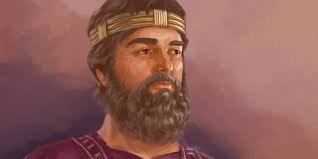
IN the realm of leadership, we often focus on external metrics: charisma, pedigree, and initial success. We look for the "total package." In the biblical narrative, no one fit this description better than Saul, the son of Kish.
1 Samuel 9:1-2 describes a man who seemingly had no "invisible barriers" to success. He was from an influential family, "a choice and handsome man," and physically stood head and shoulders above everyone else. He was the people’s choice and, initially, highly favored by God.
However, Saul’s story is a tragic masterclass in how internal character flaws—arrogance, pride, and anger—create invisible barriers that no amount of talent can overcome.
From Favor to Rebellion: Saul’s Warning for Leaders
God chooses leaders, but He expects them to obey His word. Saul’s downfall wasn't a sudden accident; it was a slow erosion caused by repeated instances of rebellion. When a leader begins to believe their position entitles them to ignore divine instruction, they hit an invisible barrier that halts their spiritual and professional progress.
Saul's life teaches us that taking charge as a leader does not mean taking God’s place. True authority is derived from submission to the Ultimate Authority.
The Three Major Cracks in Saul’s Foundation
Saul’s leadership was compromised by three specific instances where his internal barriers manifested as external rebellion.
Impatience at Gilgal (1 Samuel 13)
Saul’s first major crack appeared during a military crisis. Facing a massive Philistine army, he was told to wait seven days for the prophet Samuel to offer a sacrifice. As his soldiers began to scatter out of fear, Saul took matters into his own hands (1 Samuel 13:8-14).
-
The Barrier: Self-Reliance and Fear of Man. Saul believed his timing and tactical needs were more important than God’s specific commands.
-
The Consequence: Samuel told him, "Your kingdom shall not continue." When leaders allow anxiety to drive them to bypass ethical or spiritual boundaries, they aren't "taking charge"—they are rebelling.
Partial Obedience (1 Samuel 15)
In 1 Samuel 15:1-22, God gave Saul a clear command: destroy the Amalekites completely. Saul, however, decided to keep the "best" of the livestock and spared King Agag.
-
The Excuse: Saul claimed he saved the animals to sacrifice them to God—trying to "spiritualize" his disobedience.
-
The Reality: He feared the people and wanted to maintain his popularity.
-
The Lesson: Partial obedience is total disobedience. Arrogance tells us we can "negotiate" with instructions. Samuel’s response remains the ultimate standard for any leader: "To obey is better than sacrifice."
Spiritual Desperation and The Medium (1 Samuel 28)
By the end of his reign, Saul was consumed by anger and paranoia. Having lost his connection to God due to his pride, he turned to a medium at Endor—the very thing he had previously outlawed.
Seeking a medium was the ultimate sign of a leader who had completely abandoned his foundation. When we refuse to obey God in the light, we eventually find ourselves seeking "shortcuts" or "forbidden wisdom" in the dark.
Summary Table: The Anatomy of a Fall
| Leadership Flaw | Biblical Instance | The Invisible Barrier |
| Arrogance | 1 Samuel 13 | "I can do the Priest's job better/faster." |
| Pride | 1 Samuel 15 | "I will keep the spoils to look successful." |
| Anger/Fear | 1 Samuel 28 | "God isn't answering, so I'll find my own way." |
Check Your Foundation
Add these as a sidebar or a concluding "Workbook" section to add value to the post.
-
The 'Gilgal' Test: When under pressure, do I bypass established boundaries to get results, or do I trust God’s timing even when people are 'scattering'?
-
The 'Amalek' Test: Am I practicing "selective obedience"—doing the parts of God's Word that are easy while keeping the "best" of my old habits for myself?
-
The 'Endor' Test: When I feel a lack of direction, do I humble myself in prayer, or do I seek worldly shortcuts and "mediums" for quick answers
The Practical Application
"Don't let arrogance be the ceiling of your success. If this study of 1 Samuel challenged you today, share this post with a fellow leader who needs to hear that to obey is better than sacrifice."